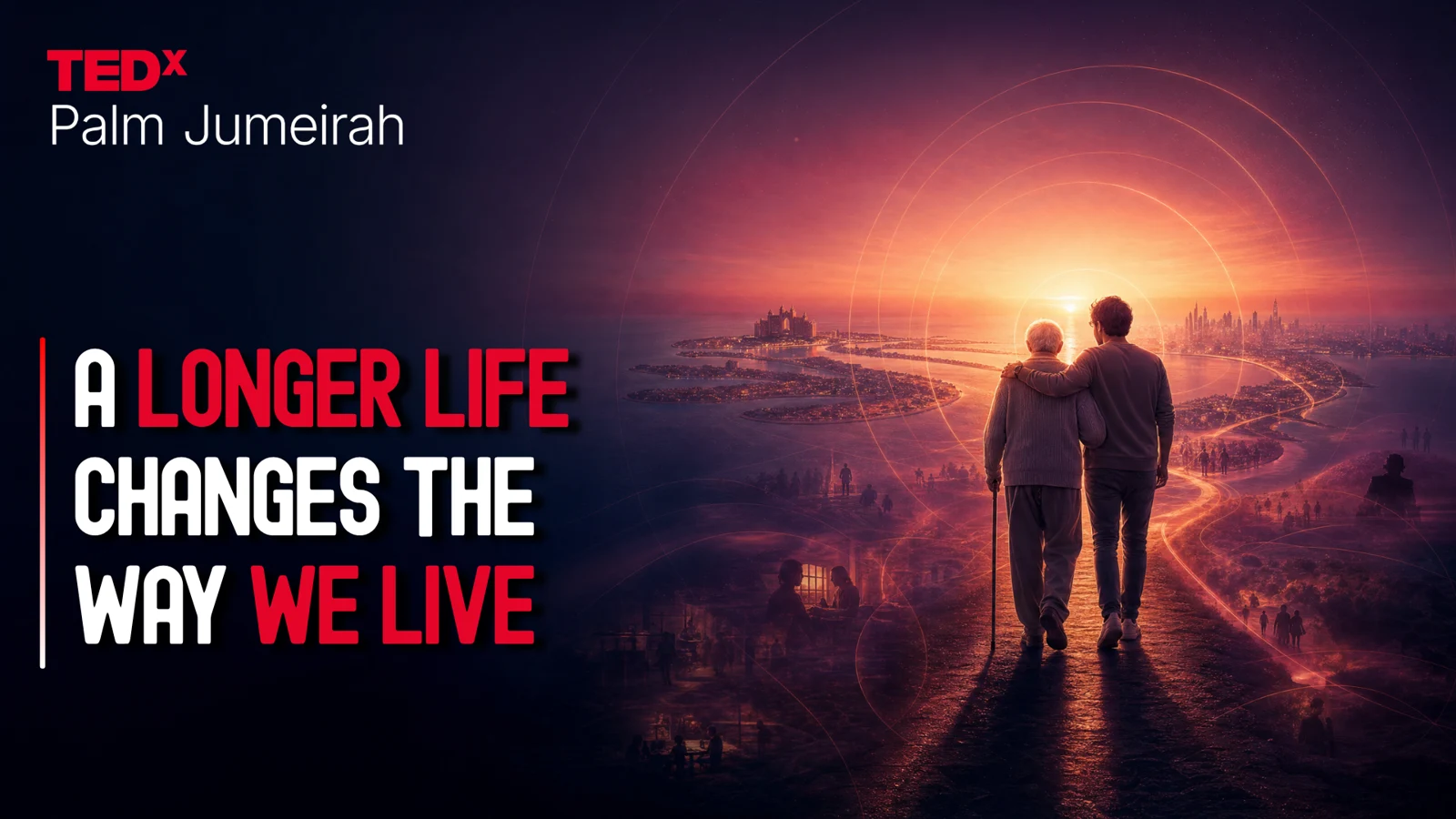
The first question is simple: what would life look like if humans lived for 200 years?
A longer life could change how we work, learn, build families, and plan our future.
One career may become several.
One lifetime may hold many different chapters.
If people live for 200 years, the idea of “later” changes.
Education may no longer happen only at the beginning of life.
Work may no longer follow one straight path.
Family, retirement, responsibility, and ambition may all need to be rethought.
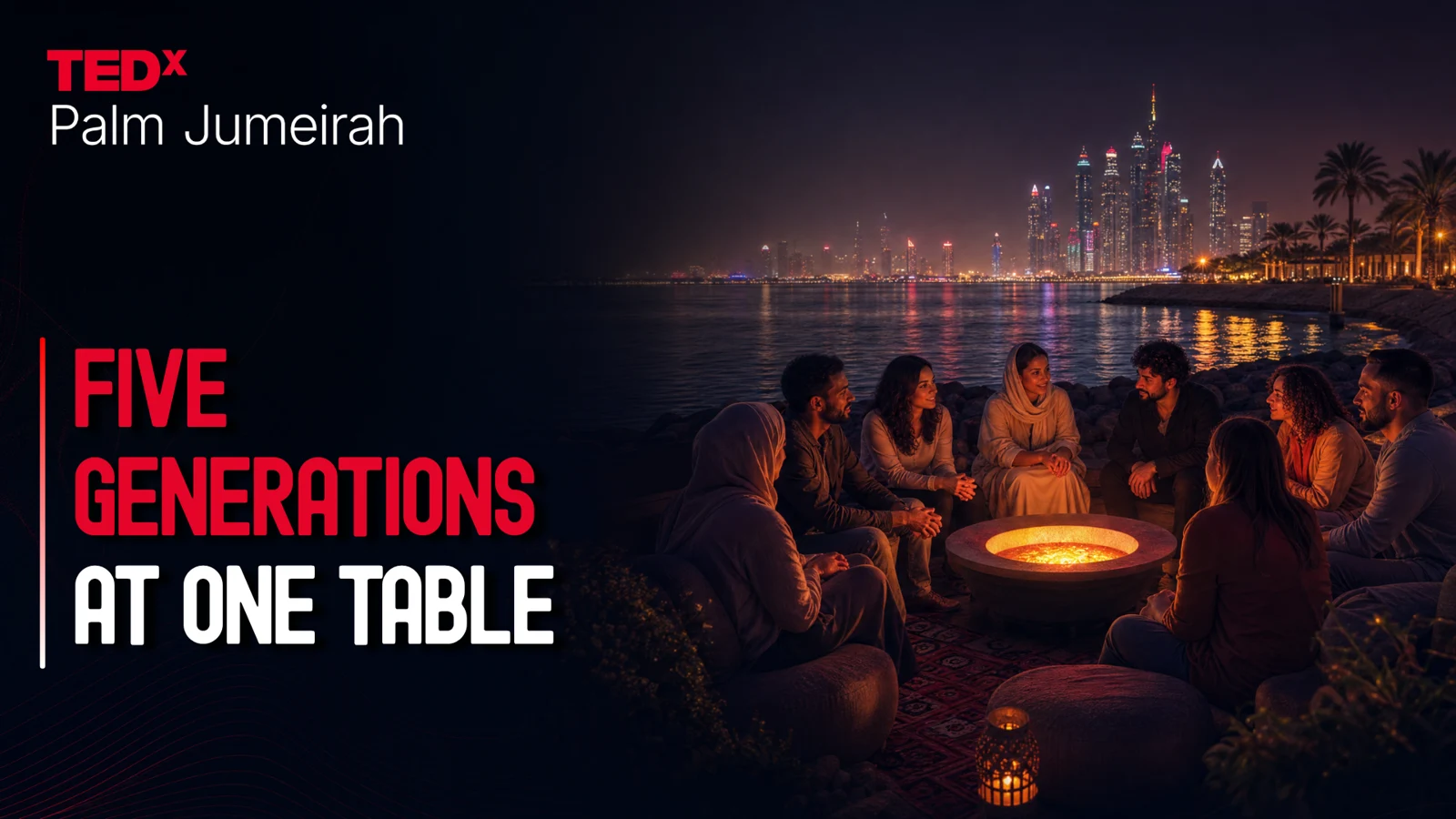
A longer life would also change the way generations meet.
Could five generations share the same table?
How would love, friendship, memory, and responsibility evolve when families have more time together?
Longevity is not only about adding years.
It is about asking what we do with those years and how we share them with others.
The promise of a longer life also raises a difficult question.
Who gets access to the science, medicine, and technology that make longer lives possible?
What happens if the ability to live longer is not shared equally?
These questions form the Carbon conversation at TEDxPalm Jumeirah.
Carbon is the element of life itself.
It is where the 200-year life becomes personal, social, and real.
The goal may not be simply to add more years to life.
It may be to add more life to every year.